Shipping and marine technology are entering an era where artificial intelligence, advanced analytics and predictive models can change how we understand vessels and floating systems. But real intelligence starts with something more fundamental: reliable data from the real world.

Through purpose-built monitoring units, real data is collected continuously from the vessel or floating structure itself — recorded, analysed and turned into meaningful information.
As that record of real data grows, it becomes the basis for advanced analytics, pattern recognition, predictive modelling and future artificial-intelligence applications.
Epignosis is not here to replace the engineer, the researcher, the master or the operator. Its philosophy is to combine human experience and technical judgement with better data and stronger analysis tools, so that better and more timely decisions are supported.
Continuous measurement of real dynamic behaviour, on the asset itself.
Analysis that turns motion into meaning an engineer can act on.
Models built on accumulated history, not on assumptions.
Better operating strategies, evaluated against what actually happened.
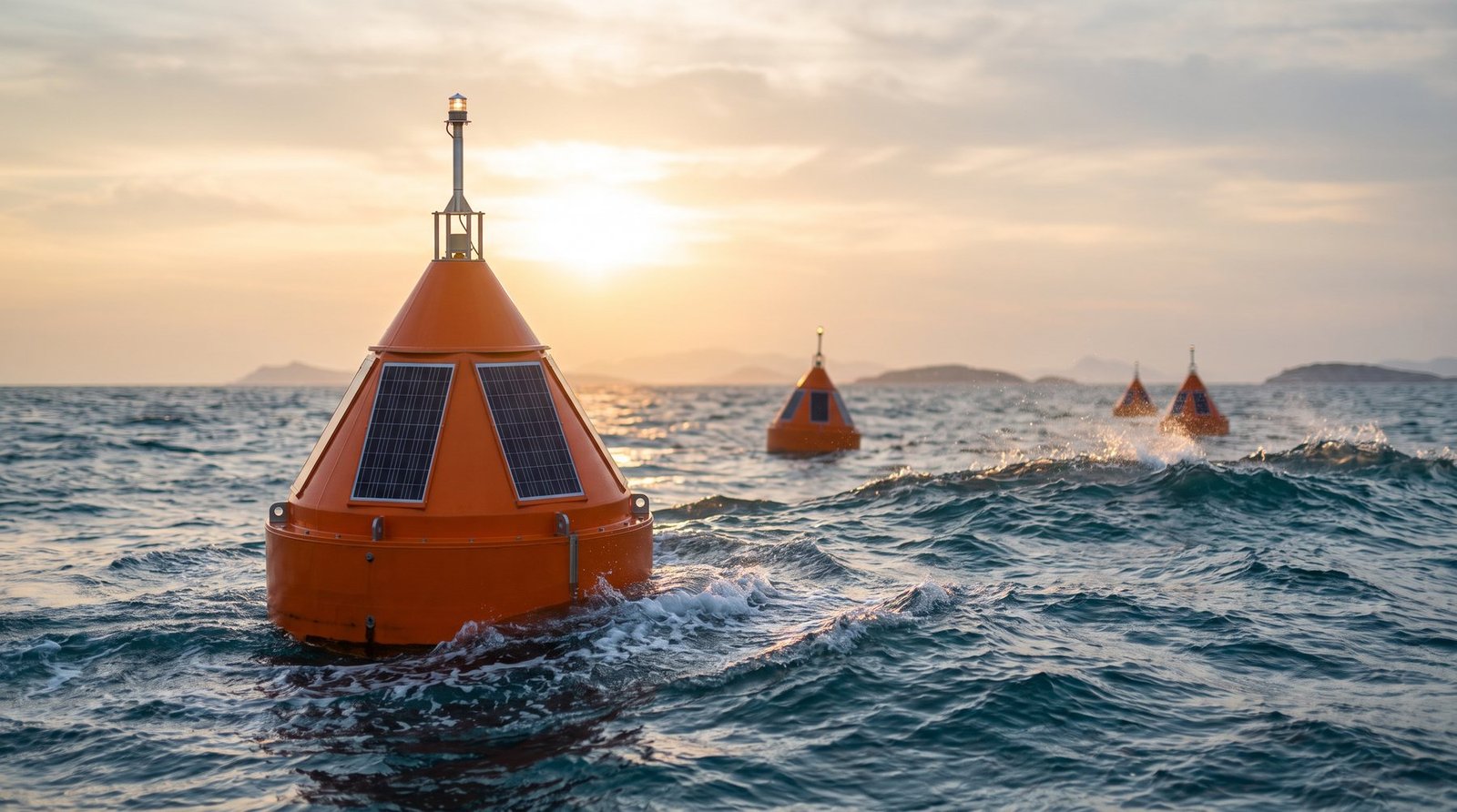
Using the energy of sea waves effectively demands a deeper understanding of the real interaction between the sea and the Wave Energy Converter. WEC Epignosis is designed to turn the actual dynamic behaviour of a floating energy device into usable data.
Continuous monitoring records the temporal and dynamic characteristics of how the converter interacts with the waves, creating valuable information for evaluating its real operation and its energy performance.
Combined with energy production data and, in future, additional information about the state of the sea, an increasingly complete picture emerges of the relationship between sea state, converter behaviour and actual energy output.
The continuous creation of real data can also form the basis for predictive models and artificial-intelligence applications — aimed not only at understanding present performance but at anticipating how the system will behave.
Human engineering knowledge stays at the centre of the process. Data and AI are tools that help engineers and WEC developers understand the device better, evaluate different operating strategies, and ultimately pursue the best possible use of the available wave energy.
Interface preview. Drawn as live HTML, not a screenshot — field values are populated from the deployed unit.
Understand the motion. Predict the performance. Maximise the energy.
The move toward the intelligent ship does not start with artificial intelligence. It starts with the quality of the data the ship itself can provide.
Vessel Epignosis creates a new layer of real information, continuously recording the dynamic behaviour of the ship in the actual conditions in which it operates — motion, acceleration, vibration and structural response.
Over time this builds a valuable digital operational history of how that specific vessel actually behaves. Combined with other available data — from the engines, from navigation, from environmental conditions or other onboard sources — it becomes the basis for advanced analysis, detection of unusual behaviour, predictive monitoring and, in future, AI-assisted decision support.
| Performance | Monitoring how the vessel responds to changing sea states, loading conditions and operations |
|---|---|
| Efficiency | Operational efficiency and fuel optimisation, evaluated against real behaviour |
| Safety | Safety, comfort and reliability, through early detection of anomalies |
| Assets | Improved decision-making and long-term asset performance |
Vessel Epignosis does not replace the human being. It combines human engineering and technical experience, real ship data, advanced analytics and artificial intelligence, to give the master, the engineers and the operators deeper understanding, timely information and better decision support.
Sense the vessel. Understand its behaviour. Anticipate change. Support better decisions.
Whether you develop wave energy converters, operate vessels, or run a research programme that needs trustworthy motion data — we would like to hear what you are trying to measure.